A CBD flower can be grown indoors under lamps, in a greenhouse or in an open field. For the same variety, the growing method changes the flower’s density, colour, CBD content and aroma. Here is what sets these three methods apart and how to read a flower’s product page before choosing it.
On this page
Three ways to grow hemp
CBD flowers are the flowering tops of female hemp plants, rich in CBD and low in THC. Like every herbal product for smoking, they must stay below 1% total THC and fall under the Tobacco Products Act, as our guide to using a CBD product explains. Before they reach the pouch, they have grown in one of these three environments.
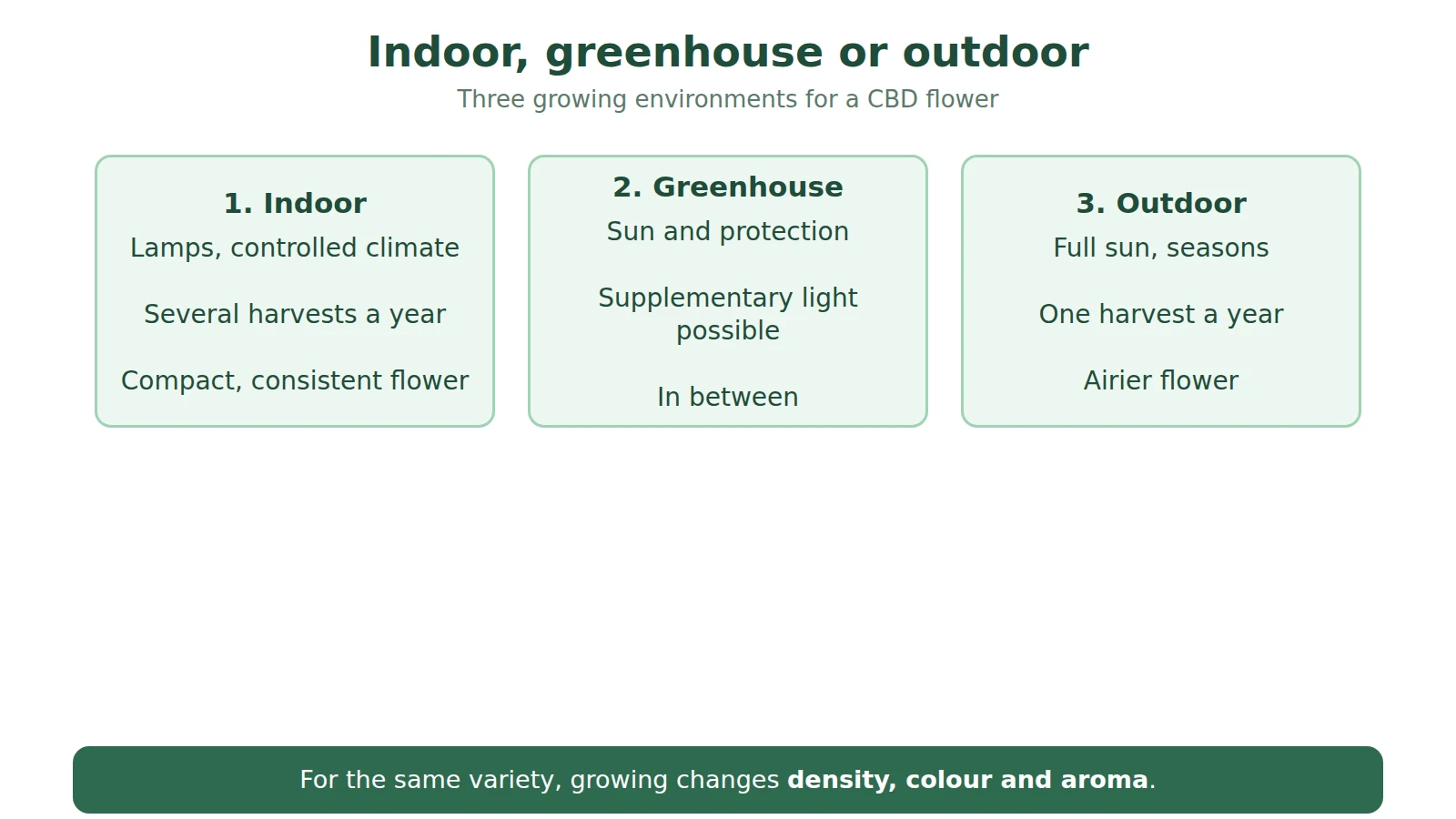
Indoors, plants grow in a closed room under lamps. Light, temperature, humidity and watering are controlled at all times, and flowering is triggered by shortening the lighting period. Several harvests a year are possible, at the cost of high energy use.
In a greenhouse, plants receive sunlight while being protected from rain, wind and temperature swings. Some greenhouses add supplementary lighting or blackout screens to steer flowering. Outdoors, plants grow in open ground, following the seasons: in Switzerland, a single harvest a year, at the end of summer or the start of autumn.
What growing changes in the flower
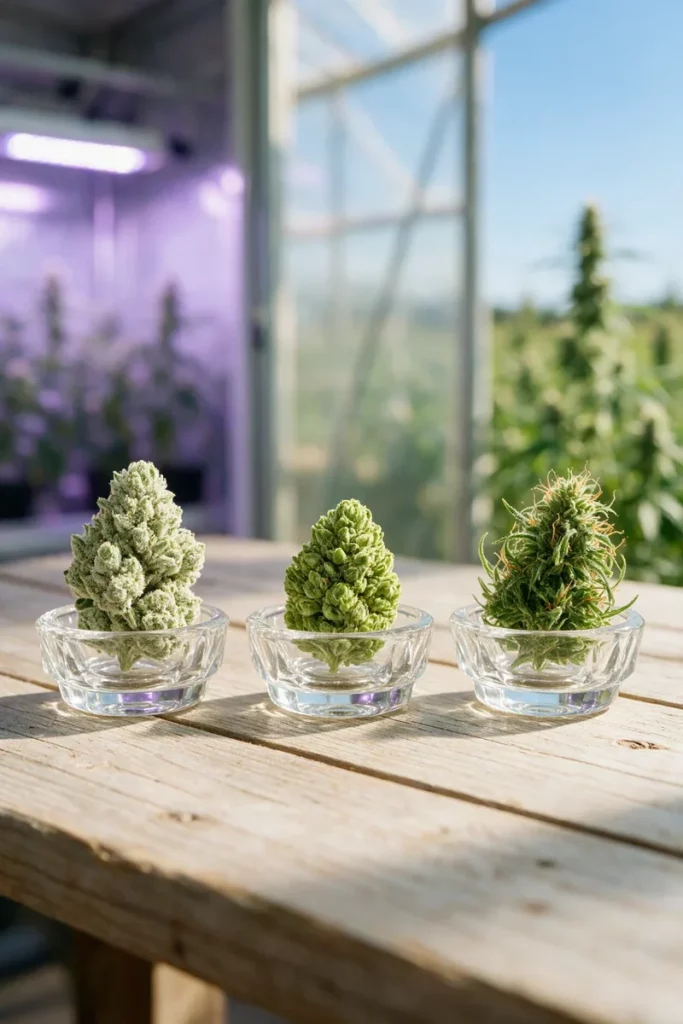
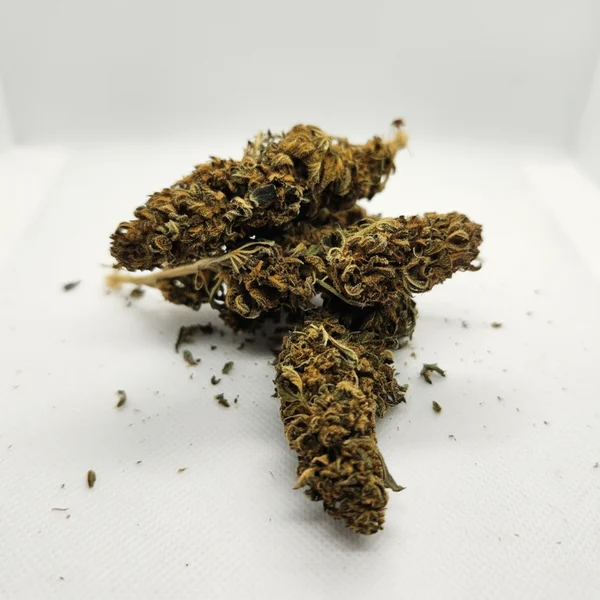
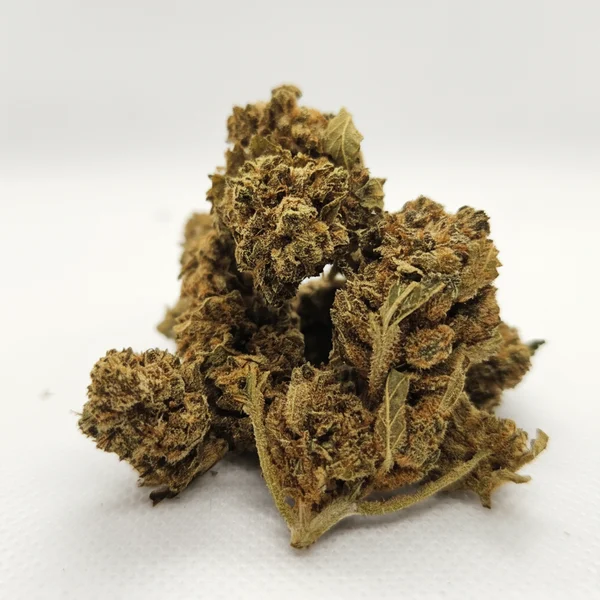
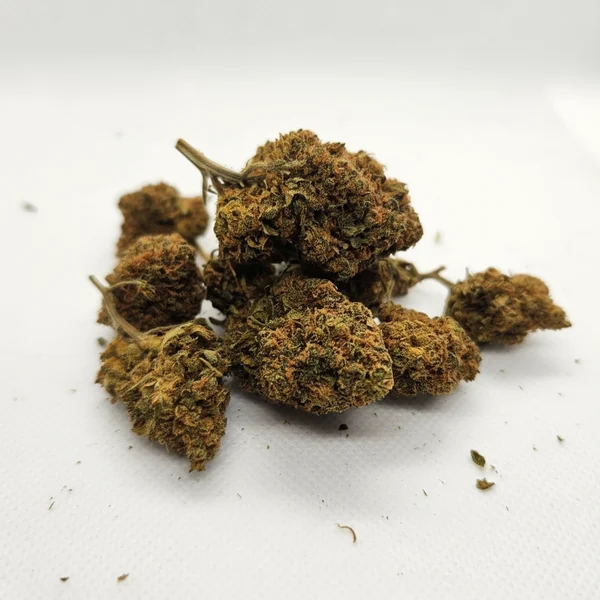
The environment leaves a visible mark. An indoor flower is usually compact and dense, with a clearly visible layer of trichomes, the small resin glands that carry the cannabinoids and terpenes. An outdoor flower, which has faced wind and rain, is often airier and darker. The greenhouse sits in between.
Our product pages give a concrete example with the same variety grown two ways. Greenhouse Cannatonic forms compact light green buds and states 8 to 12% CBD. Outdoor Cannatonic gives airier, dark green flowers and states 6 to 10%. Our indoor Amnesia, grown under lamps, states 9 to 13%.
These differences do not make one method the best in absolute terms. An outdoor flower costs less to produce and keeps an aroma profile shaped by its terroir; an indoor flower offers a consistency no season can guarantee. The choice depends on what you are looking for: appearance, density, aroma or price.
Variety, the other half of the story
The flower’s name refers to its variety, in other words its genetics: Cannatonic, Amnesia, Strawberry or V1 do not give the same aromas or the same structure, whatever the growing method. Terpenes, which carry the scent, depend first on genetics, then on growing and drying conditions.
Genetics also set the ratio between CBD and THC. The varieties used for CBD flowers are selected to produce a lot of CBD and little THC, and every batch must stay below the 1% total THC threshold, which we explain in our article on the 1% threshold.
How to read a flower product page
A well-filled flower page answers a few simple questions. It names the variety and the growing method, gives the origin, states a CBD range and confirms that THC stays below 1%. It then describes the appearance (structure, colour, pistils, trichomes, trim) and the aromas, first when cold and then when crumbled.
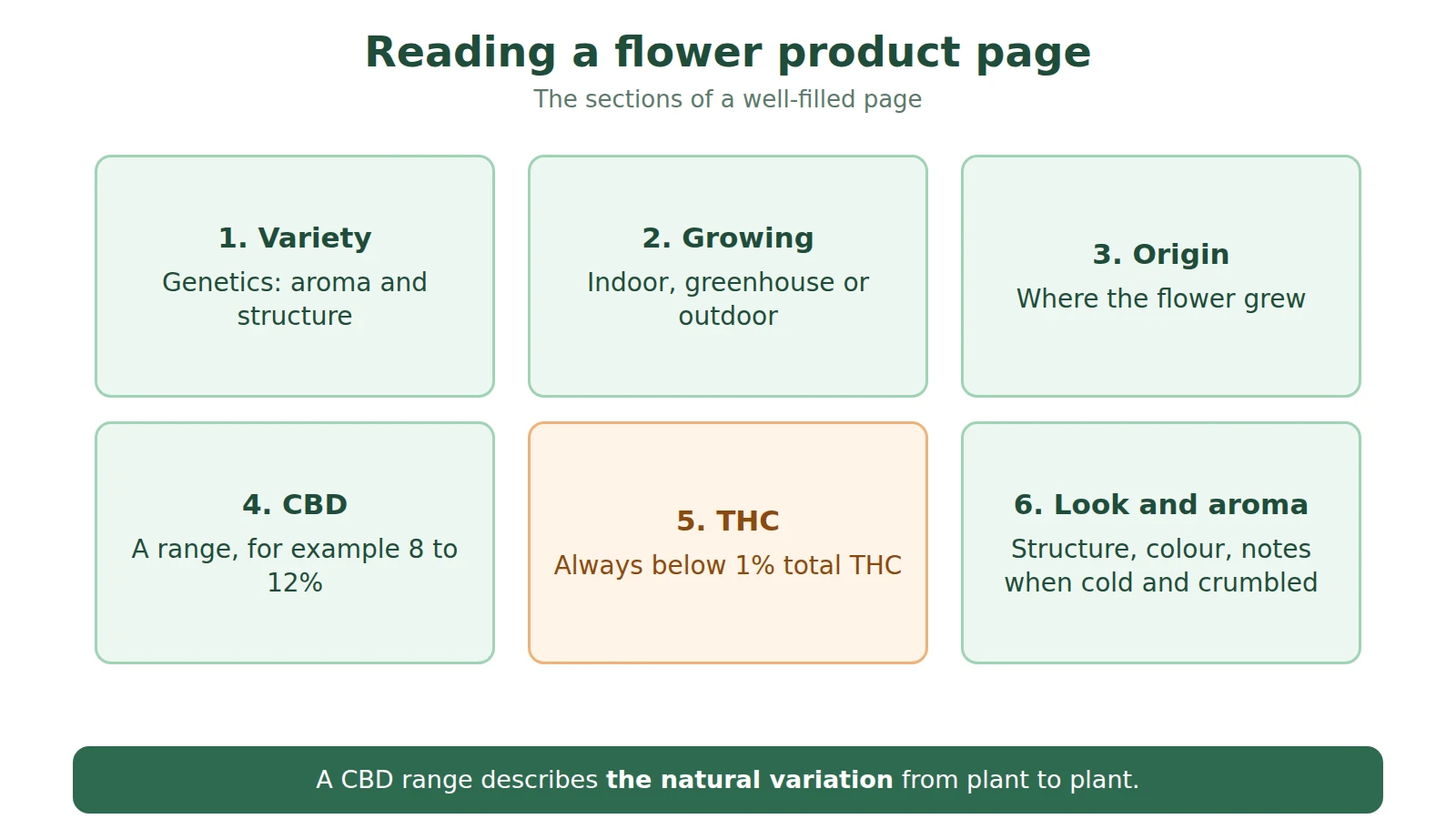
The CBD content is given as a range because it varies naturally from plant to plant and from harvest to harvest, even in a controlled crop. A single value to the decimal would claim a precision the plant does not have. All our flowers are on the CBD flowers page, sorted by growing method.
Our greenhouse crops of 2017
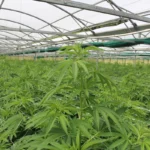
In 2017, we grew our own hemp in a greenhouse in the Seeland, near Murten. These photos show the stages of that crop: young plants in rows in August, growth in September, then flowering in October.
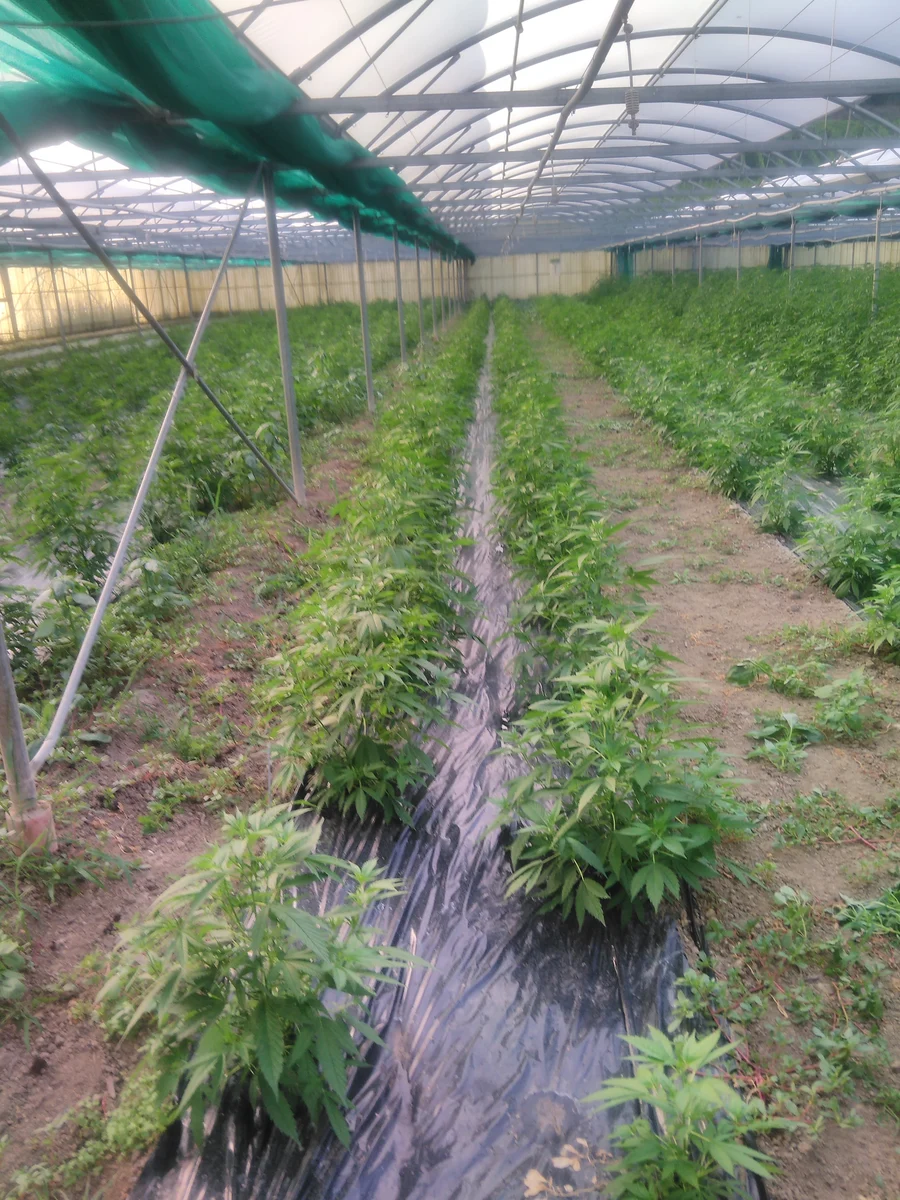
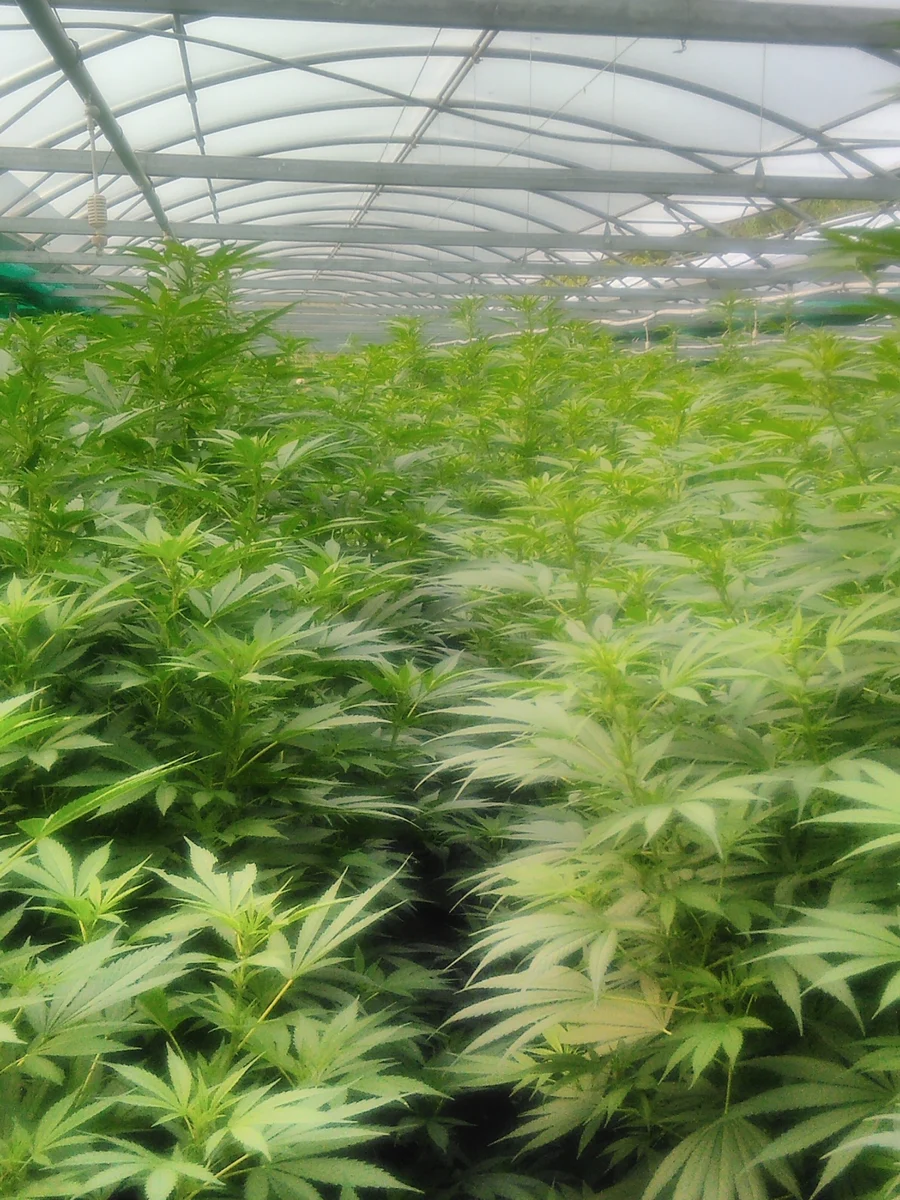
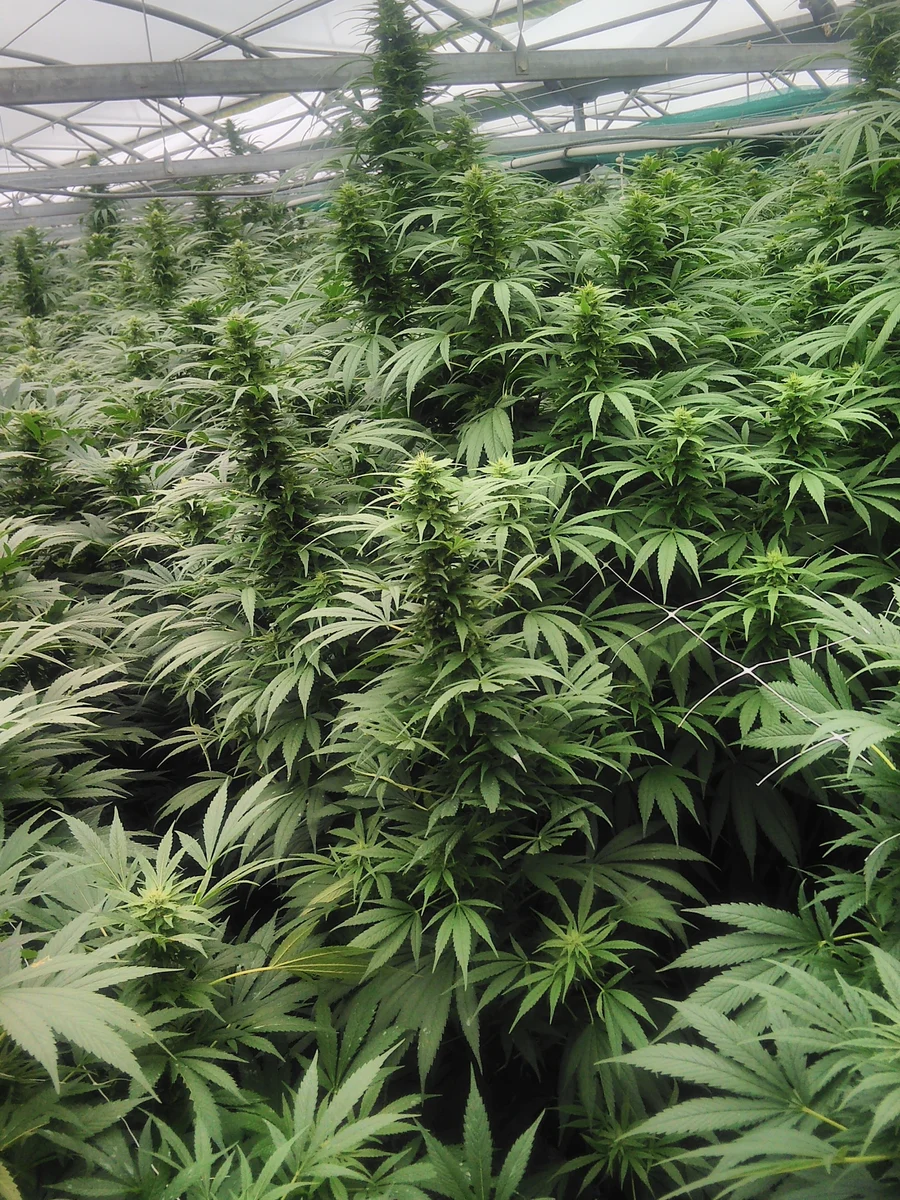
After the harvest: drying, curing and trimming
A flower is not judged in the field alone. After cutting, the plants dry slowly, in the dark and away from heat, so that moisture leaves the flower without taking its aromas with it. Then comes curing, a few weeks in a closed container, which evens out moisture and rounds off the aroma profile.
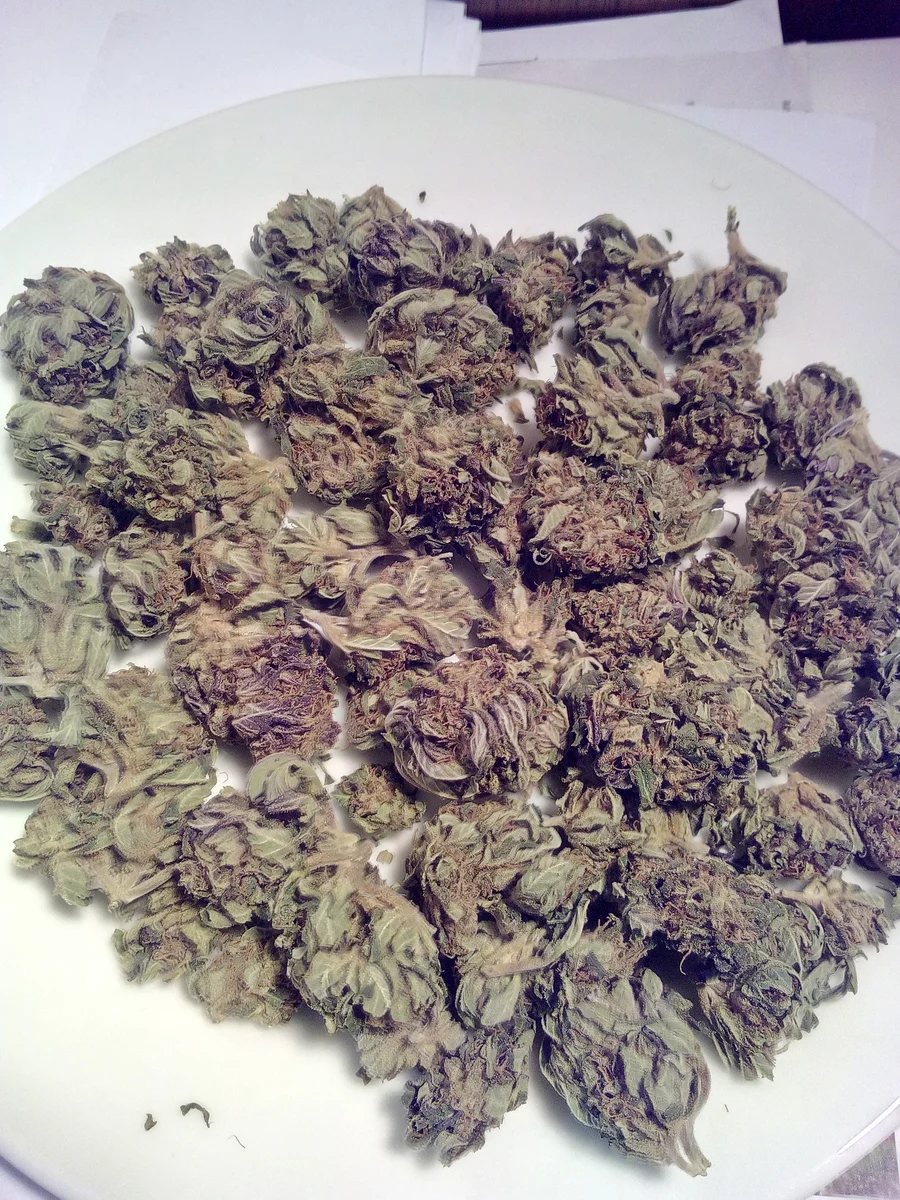
Trimming removes the small leaves around the flower. The more thorough it is, the neater and more compact the flower looks; a natural trim keeps a rawer appearance. Once in its pouch, the flower remains fragile: our article on storing CBD products explains how to keep it, and the one on CBD hash shows what becomes of the resin of these flowers.
Point to watch
Whatever the growing method, a CBD flower is a product for smoking or heating: sale restricted to people aged 18 or over, official warnings on the packaging, including one about driving, and no added tobacco.
Our laboratory
Our laboratory in Gland works with hemp extracts containing less than 1% total THC, all the way to the finished bottle. Our flowers come from Swiss crops, described product by product. Discover the laboratory →
Frequently asked questions
What is the difference between an indoor and an outdoor CBD flower?
An indoor flower grows under lamps, in a climate controlled at all times: it is usually more compact and more consistent. An outdoor flower grows in the sun, following the seasons, with a single harvest a year in Switzerland: it is often airier, darker and cheaper to produce.
What is a greenhouse flower?
It is a flower grown in a greenhouse. The plants receive sunlight while staying protected from rain, wind and temperature swings. The result often sits between indoor and outdoor, in density as in price.
Why is the CBD content of a flower given as a range?
Because it varies naturally from plant to plant and from harvest to harvest, even in a controlled crop. A range, for example 8 to 12%, describes this variation more honestly than a single value.
Do CBD flowers contain THC?
Yes, in small amounts. In Switzerland, a hemp flower must stay below 1% total THC so as not to be a narcotic. This threshold applies to every batch, whatever the growing method.
How should CBD flowers be stored?
In an airtight jar, dry, in the dark and away from heat. Too much moisture encourages mould; air that is too dry makes the flower brittle and costs it part of its aroma.