The Swiss CBD market is less than ten years old, but its history starts earlier, with a figure written into an ordinance in 2011. From the first products notified in 2016 to the cannabis bill, here are the steps that shaped this market, the ones we lived through from the inside, and what they changed for today’s products.
On this page
Before the market: a molecule known since the 1960s
CBD is not a recent discovery. In 1963, the team of Israeli chemist Raphael Mechoulam described its structure; the following year, it isolated THC. For decades, these molecules remained mainly a research subject, and the hemp grown in Europe was industrial hemp, used for fibre and seeds.
What would create a market in Switzerland was not a scientific discovery, but a legal rule.
2011: the 1% threshold
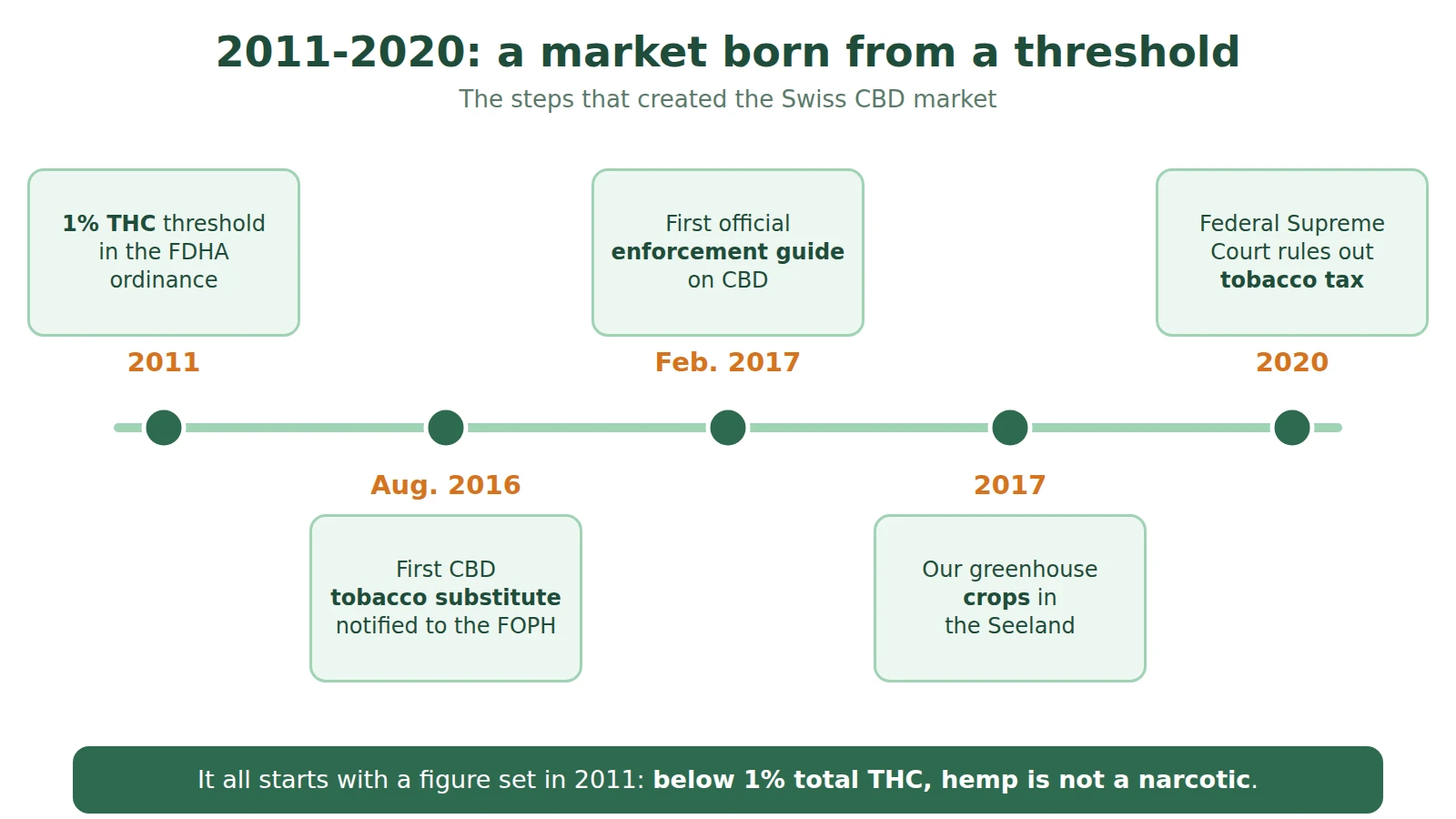
In 2011, the Federal Department of Home Affairs adopted a new ordinance on the lists of narcotics. Hemp is only classed as a narcotic there from an average total THC content of 1%. Below that, it is not subject to the Narcotics Act.
This figure made possible what few countries allow: growing and selling varieties rich in CBD and low in THC without them being narcotics. It is still in force today, and we explain exactly what it measures in our article on the 1% THC threshold.
2016-2017: a market is born
In August 2016, the first CBD-based tobacco substitute was notified to the Federal Office of Public Health (FOPH); according to Swissmedic, it could be sold legally from then on. The media took up the story, and new hemp and CBD shops opened within a few months.
The authorities reacted quickly. In February 2017, the FOPH, the Federal Food Safety and Veterinary Office (FSVO) and Swissmedic published a first document entitled “Products containing cannabidiol (CBD) – Overview and enforcement guide”. It set a principle that has not changed since: a product’s intended use decides which law applies. The document is now in its eighth version, published in May 2025.
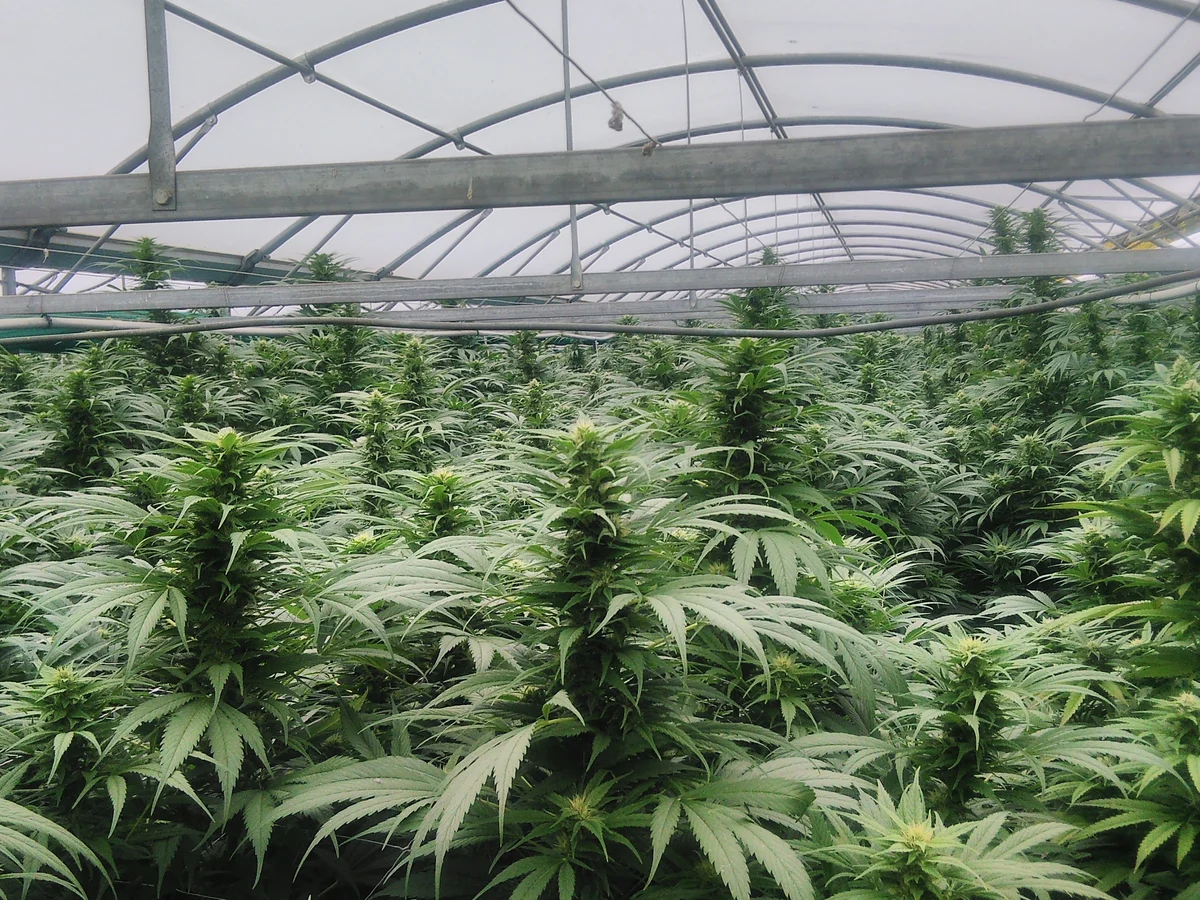
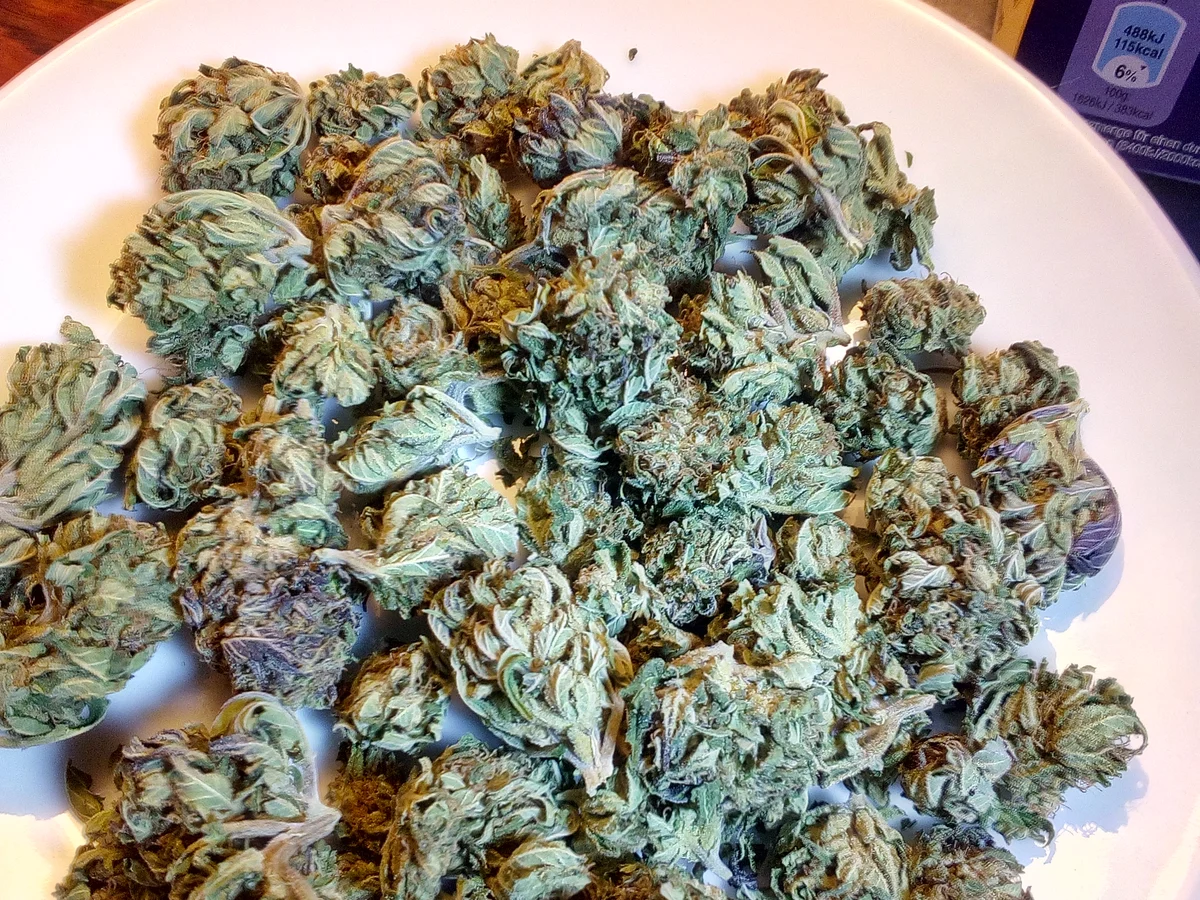
This was also the time when we grew our own hemp, in greenhouses, in the Seeland, near Murten. In 2017, an external laboratory’s analysis of one of our flowers gave about 0.44% total THC, below the 1% threshold. These photos date from that year.
2017-2020: the tobacco tax question
The young market soon came up against a tax question. The federal customs administration subjected legal cannabis flowers to tobacco tax, treating them as tobacco substitutes, and the Federal Administrative Court initially agreed.
On 29 January 2020, the Federal Supreme Court ruled the other way: neither the Tobacco Taxation Act nor its ordinance allowed these flowers to be treated as tobacco. To this day, legal cannabis flowers and products for smoking without tobacco are excluded from tobacco tax. At the same time, cantonal chemists stepped up their checks on CBD products, particularly those sold as food.
2021-2022: a framework takes shape
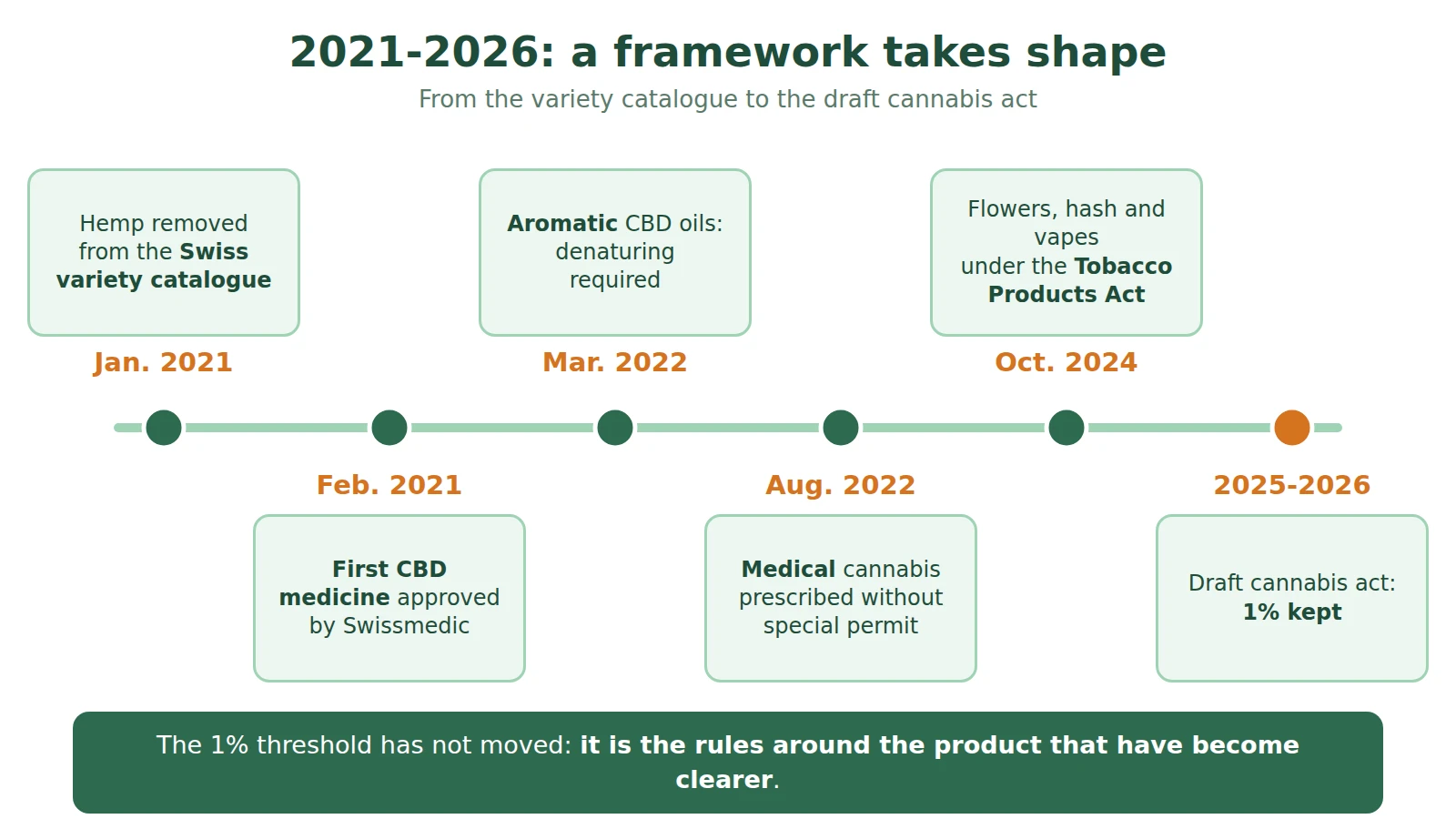
The following years clarified the status of each product. On 1 January 2021, hemp was removed from the Swiss variety catalogue: growers have since used seed of varieties certified in the European Union. On 10 February 2021, Swissmedic authorised Epidyolex, a CBD-based medicine available on prescription. That same year, the Narcotics Act opened the way to scientific pilot trials of regulated cannabis sales.
In 2022, two decisions changed the landscape. Since 29 March, CBD oils sold as “aromatic” or “scented” oils must be denatured, closing a route used to get around food and cosmetics rules. Since 1 August, medical cannabis can be prescribed without an exceptional authorisation from the FOPH.
2024-2026: the tobacco act and the cannabis bill
On 1 October 2024, the Tobacco Products Act came into force. It covers flowers and hash for smoking, as well as e-liquids and vapes, with or without nicotine: sales from 18, notification to the FOPH, warnings and regulated advertising. We detail these rules in our article on the Tobacco Products Act.
In parallel, Parliament is working on a law to regulate cannabis for non-medical use. The preliminary draft, put out to consultation in 2025, explicitly leaves aside products under 1% THC, including CBD. In May 2026, it was sent back to a subcommittee to be reworked. We review it in our article on the cannabis bill.
Today’s market
Fifteen years after the 2011 ordinance, the 1% threshold has not moved. What has changed are the rules around the product: every oil, flower or vape now falls under a specific law, with its own obligations, checks and prohibitions. Our guide to Swiss CBD law presents them product by product.
Our own path has followed this movement. In our early days, our production was entrusted to a partner; today it takes place in our laboratory in Gland, from crude extract to bottle, with oils declared as cosmetics and regular checks by an external laboratory.
The history of CBD in Switzerland therefore comes down to one constant and a series of adjustments. The constant is the 1% total THC threshold set in 2011, which even the cannabis bill plans to keep. The adjustments are the rules that, since 2016, have clarified the status of each product: enforcement guide, tax case law, denaturing of aromatic oils, Tobacco Products Act.
Our laboratory
Our oils are made in our laboratory in Gland, from crude extract to bottle, from extracts containing less than 1% total THC. They are declared as cosmetics, with a product information file for each formula and manufacturing under good manufacturing practice, and their cannabinoid levels are checked regularly by an external laboratory. To find out more, discover our laboratory.
Further reading: why a CBD oil is not a food supplement and travelling and driving with CBD.
Also in our shop: all our CBD oils.
Frequently asked questions
Since when has CBD been legal in Switzerland?
Since 2011, the ordinance on the lists of narcotics has only classed hemp as a narcotic from 1% total THC. The first CBD products appeared on the market in 2016, when the first CBD-based tobacco substitute was notified to the FOPH.
Were CBD flowers subject to tobacco tax?
The customs administration initially taxed them as tobacco substitutes. On 29 January 2020, the Federal Supreme Court ruled that there was no legal basis for doing so. Flowers for smoking without tobacco are now excluded from this tax.
Has the 1% threshold changed since 2011?
No. It is still in force, and the cannabis products bill plans to keep it by leaving aside products under 1% THC, including CBD.
Why did aromatic CBD oils disappear?
Since 29 March 2022, a general ruling requires CBD oils sold as chemical, aromatic or scented products to be denatured. Once denatured, they are unfit for any use on the body.