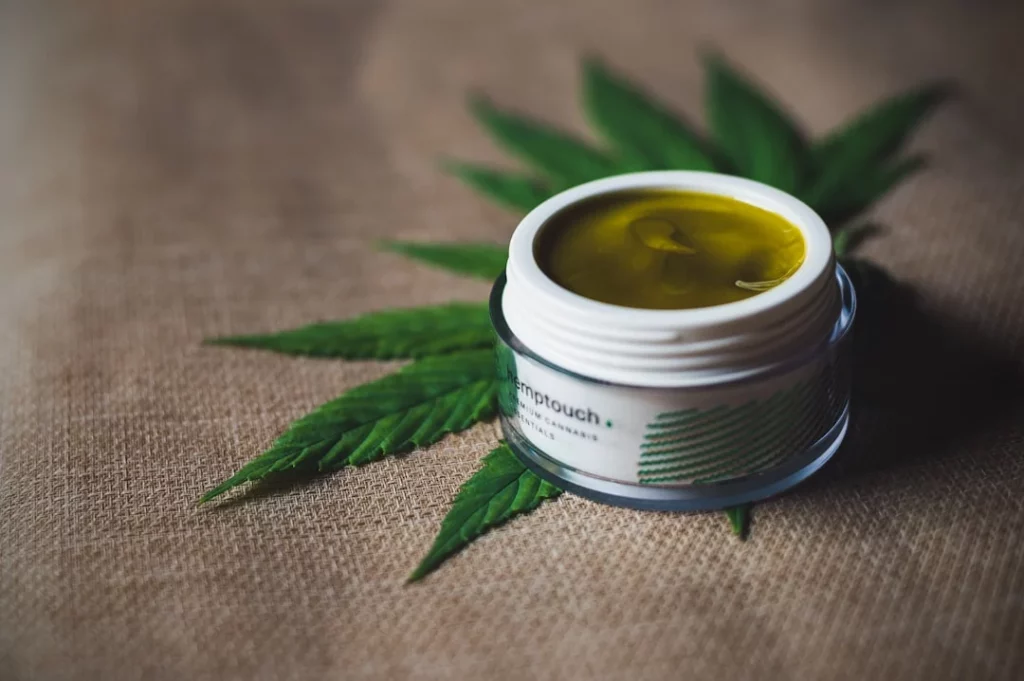
CBD balm for muscle pain how to use is a common question in Switzerland—especially after sport, long days at a desk, or when muscles feel tense and overworked. A CBD balm is typically a topical product applied to the skin, often positioned as a cosmetic rather than a medicine. That distinction matters: in Switzerland, a product containing CBD cannot be marketed as a therapeutic product unless it is officially authorized as such. This guide explains practical, cautious directions for use, key precautions, and what “legal CBD” means in Switzerland (including the THC < 1% rule), without making medical promises.
What a CBD balm is (and what it is not) in Switzerland
A “CBD balm” generally refers to a topical product designed for application on the skin. In many cases, it falls under the cosmetic/topical category. In Switzerland, the product category is not only about ingredients—it also depends on the intended use and how the product is presented to consumers.
Important: a CBD product presented with a medical purpose can be considered a medicinal product and would require authorization before being placed on the market. For a balm positioned as a cosmetic, communication must avoid medical claims (for example, claims about treating or relieving a medical condition).
This is why you’ll often see CBD balms described in neutral, cosmetic language (skin feel, comfort, massage, wellbeing routines) rather than medical language.
Why product classification matters for consumers
Classification affects what a brand can say, how the product is labeled, and what rules apply. Switzerland distinguishes multiple CBD-related product categories, each with different requirements, such as:
- Herbal smoking products (flowers to smoke)
- E-liquids / electronic cigarettes
- Cosmetics (topicals like balms)
- Foods / supplements
- Therapeutic products (medicines / medical devices)
In this article, we focus on CBD balms used topically on the skin, in a practical, non-medical way.
Is CBD balm legal in Switzerland? Understanding the THC rule
One of the most searched topics is CBD balm legal in Switzerland THC 1%. In Switzerland, the THC threshold is a key legal point: products with a total THC content of 1.0% or more fall under narcotics legislation. This is why the “legal CBD” market generally targets products with less than 1.0% total THC.
However, it’s a misconception to think “THC ≤ 1% means everything is automatically allowed.” The THC threshold mainly relates to narcotics legislation. Separate rules still apply depending on whether the product is a cosmetic, food, e-liquid, or therapeutic product—and how it is marketed and labeled.
What you should look for as a consumer
- Clear product category: Is it presented as a cosmetic/topical for skin application?
- Clear communication: Avoids medical promises or disease-related claims.
- THC positioning: The product should be aligned with the Swiss “legal CBD” market expectation of < 1% total THC.
If you want to explore topical options, you can browse a dedicated category like CBD balms for topical use to compare formats and intended use descriptions.
CBD balm directions for use: how to apply it correctly
When people ask how to apply CBD balm, they usually want a simple routine they can repeat—especially after training or when muscles feel tight. While there is no single Switzerland-specific protocol that applies to all products, there are widely used topical best practices that can be followed as cautious guidance.
Step-by-step: how to apply CBD balm
- Start with clean, intact skin: Apply only on skin that is not broken or irritated.
- Use a small amount first: A thin layer is often enough to begin with.
- Massage gently: Use slow, circular motions until the balm is absorbed. This also makes it easy to integrate into a CBD balm muscle massage routine.
- Avoid sensitive areas: Keep away from eyes and mucous membranes.
- Wash your hands after application: Especially if there’s any chance you might touch your eyes or face afterwards.
This approach is practical and skin-focused. It does not imply a guaranteed outcome, and it keeps the use aligned with a cosmetic/topical routine rather than a medical one.
How much to use and how often?
There is no universal “right dose” for a balm, because topical products vary by texture, CBD concentration, and additional ingredients. A cautious approach is to start small and adjust based on comfort and skin tolerance.
For frequency, many users simply apply as needed within their personal routine (for example, after showering or after physical activity). If you’re unsure, follow the product’s label instructions and keep the routine consistent so you can judge how your skin responds.
CBD balm after workout: how to fit it into a recovery routine
CBD balm after workout is often used as part of a broader recovery ritual: shower, hydration, stretching, and massage. A balm can be applied during self-massage to support a sense of comfort in areas that feel overworked.
It’s helpful to think of a CBD balm as a topical wellbeing product rather than a quick fix. The massage step itself is a key part of the routine, and many people value the overall experience: texture, glide, and the moment of care after training.
Simple post-workout routine (non-medical)
- After training, let your skin cool down and dry.
- Apply a small amount to the targeted area (for example, calves, thighs, shoulders).
- Massage slowly until absorbed.
- Wash hands after use.
If you’re choosing a product specifically for sports routines, look for clear topical positioning and straightforward labeling. You can also compare different textures and intended uses on a category page such as CBD balm options for muscle massage routines.
CBD topical precautions: safety first, especially for sensitive skin
CBD topical precautions are important because “natural” does not automatically mean “risk-free.” Even when a balm is used correctly, some people may react to cosmetic ingredients such as fragrances, menthol/camphor-like cooling agents, or essential oils.
Patch test: a simple precaution
If you have sensitive skin or you’re trying a new balm for the first time, consider a simple patch test: apply a small amount to a limited area and wait to see how your skin responds. If irritation occurs, stop using the product.
Avoid these common mistakes
- Applying on broken skin or open wounds
- Using near eyes, lips, or mucous membranes
- Applying too much too soon (especially if the formula contains strong fragrances or essential oils)
- Forgetting to wash hands after application
CBD balm skin irritation side effects: what to watch for
CBD balm skin irritation side effects can include redness, itching, or a burning sensation—often linked to the overall formula rather than CBD alone. If you notice discomfort, discontinue use and consider switching to a simpler formula. If symptoms persist or are severe, seek advice from a qualified healthcare professional.
What brands can (and cannot) claim about CBD balms in Switzerland
In Switzerland, a key compliance point is how a CBD balm is presented. If a balm is classified as a cosmetic, it must not claim to treat, cure, or relieve diseases or medical conditions. Otherwise, it risks being reclassified as a medicinal product, which cannot be marketed without authorization.
Examples of claims to avoid (medical positioning)
For a cosmetic CBD balm, it is safer to avoid claims that imply a medical purpose—especially around conditions such as tendon issues, arthritis, or inflammation, or language that suggests a pharmacological action. In general, if the message sounds like a medical promise, it can create regulatory risk.
What is generally safer to say (cosmetic/wellbeing positioning)
Cosmetic-style communication typically focuses on neutral, experience-based language, such as:
- Designed for topical application and massage
- Comfort-focused skincare routine
- Suitable for local application on muscles and joints (as an area of application, not a medical claim)
- Formulated with CBD from Swiss-grown hemp (ingredient origin, not an effect)
Even with cautious wording, it’s important to remember that the overall presentation (text, imagery, context, and implied purpose) can influence how a product is classified.
CBD balm vs. CBD oil or supplements: don’t mix the rules
Consumers sometimes compare a balm with CBD oils or capsules. From a Swiss regulatory perspective, these are not interchangeable categories.
Topicals (balms) are different from foods/supplements
In Switzerland, cannabinoids and hemp extracts in foods are generally considered “novel foods” and require authorization and a safety assessment. This means some CBD products sold as supplements may circulate illegally.
Additionally, Swiss authorities have indicated that health risks of CBD in foods are not sufficiently established and that, from a certain dose, CBD can cause liver damage. This point concerns ingestion, not topical use—but it’s still a reason to be cautious about mixing categories or assuming that “CBD is the same” across all product types.
Why this matters when you shop
- A balm is for external use on the skin.
- Foods/supplements involve ingestion and a different risk and authorization framework.
- Marketing a topical with medical-style claims can shift it toward the therapeutic product category.
Setting realistic expectations: what is known and what remains uncertain
CBD topicals are popular, but the real-world experience can vary widely depending on the formula, the amount applied, and individual factors. It’s also important to acknowledge that the effectiveness of CBD topicals for muscle discomfort remains under scientific investigation, and the evidence can be inconsistent.
For that reason, it’s best to approach a CBD balm as a cosmetic product that may contribute to a comforting massage routine, rather than expecting a guaranteed result.
What can influence your experience
- Texture and absorption (balm vs. cream-like feel)
- Added ingredients (essential oils, plant extracts, fragrance)
- How you apply it (gentle massage vs. quick swipe)
- Your skin sensitivity and personal preferences
Choosing a CBD balm in Switzerland: practical checklist
If you’re shopping for a balm and want to stay aligned with Swiss expectations, focus on clarity and cautious positioning.
Checklist for a well-positioned topical
- THC positioning: aligned with the Swiss “legal CBD” market expectation of < 1% total THC.
- Clear category: presented as a cosmetic/topical for external use.
- No medical promises: avoids disease-related or treatment-style claims.
- Transparent use instructions: explains how to apply, where to avoid, and hand-washing after use.
- Skin-sense considerations: if you’re sensitive, prefer simpler formulas and patch test first.
Cosmetic safety and “autocontrol”
For cosmetics, Swiss requirements include demonstrating scientifically in a safety report (autocontrol) that the CBD/cannabinoids used are safe and not harmful to health, regardless of their origin. This is part of why reputable cosmetic products emphasize compliance and careful formulation.
FAQ
How do you apply CBD balm for muscle discomfort?
Apply a small amount to clean, intact skin and massage gently until absorbed. Avoid eyes and mucous membranes, and wash your hands after application. Start with a small quantity first, especially if you have sensitive skin.
Can I use CBD balm after a workout?
Many people use a CBD balm after workout as part of a recovery routine, typically combined with gentle self-massage. Keep expectations realistic and treat it as a topical wellbeing product rather than a medical solution.
Is CBD balm legal in Switzerland if THC is under 1%?
In Switzerland, products with total THC of 1.0% or more fall under narcotics legislation, so the legal CBD market generally targets products with less than 1.0% total THC. However, legality also depends on the product category (for example, cosmetic vs. therapeutic product) and how it is marketed and labeled.
What claims are not allowed for a CBD balm in Switzerland?
A CBD balm presented as a cosmetic should not be marketed with medical-style claims (for example, claims implying treatment of diseases or medical conditions). If a product is presented with a medical purpose, it may be considered a medicinal product and would require authorization.
Can CBD balm cause skin irritation?
It can. Like many cosmetics, a CBD balm may irritate sensitive skin, often due to fragrances, essential oils, or other ingredients in the formula. Consider a patch test on a small area first and stop using the product if irritation occurs. If symptoms persist or are severe, seek advice from a qualified healthcare professional.
Key takeaways
A CBD balm can be a simple addition to a massage and wellbeing routine—especially after sport—when used correctly and cautiously. In Switzerland, the most important points are (1) understanding that a balm is typically a cosmetic/topical rather than a medicine, (2) respecting the THC < 1% market expectation for legal CBD products, and (3) avoiding medical claims that could trigger reclassification as a therapeutic product.
If you want to compare topical formats and intended uses, explore a curated selection of CBD balms in Switzerland for topical application and choose a product that matches your skin needs and your routine.