Is is CBD legal in Switzerland 2026 a simple yes-or-no question? Not really. In Switzerland, a CBD product can be lawful in one form and non-compliant in another—even when the total THC content is below the legal threshold. The key is understanding two pillars: the Switzerland CBD THC limit 1% (a necessary baseline) and the product’s regulatory category (food, cosmetic, tobacco-related product, chemical product, or medicinal product). In 2026, staying compliant means paying attention to THC, labeling, intended use, and especially avoiding medical claims that could reclassify a product as a medicine requiring Swissmedic authorization.
The baseline rule: Switzerland CBD THC limit 1%
Switzerland’s starting point is clear: cannabis and cannabis preparations with a total THC content below 1.0% are not considered narcotics. From 1.0% total THC and above, the product falls under narcotics legislation, which changes what can be marketed and how.
That said, the THC threshold is only the first filter. A common misunderstanding is: “THC ≤ 1% means everything is legal.” In practice, that’s not correct. Even with THC below 1%, a product can still be non-compliant if it is placed on the market under the wrong category, presented for the wrong use, or promoted with prohibited claims.
Why legality depends on product category (not just CBD content)
In Switzerland, the same “CBD product” can be treated very differently depending on how it is classified and marketed. The legality of selling CBD in 2026 depends on whether the product is placed on the market as a:
- Food or dietary supplement
- Cosmetic
- Tobacco-related product (or similar, such as products intended to be smoked)
- Chemical product
- Medicinal product (therapeutic product)
This classification is not just a formality. It affects what ingredients are allowed, what safety and labeling rules apply, what claims can be made, and whether an authorization is required before sale.
Medical claims: where many CBD products become non-compliant
One of the strictest compliance points in Switzerland is the prohibition of medical claims for non-authorized products. Any ready-to-use product containing CBD that is intended for medical use is considered a medicinal product and must be authorized by Swissmedic to be placed on the market.
This is why marketing language matters. If a product is promoted as intended to address a medical condition, prevent disease, or deliver a therapeutic outcome, it may be treated as a medicine—regardless of THC level. Without Swissmedic authorization, that creates a compliance problem.
Swissmedic CBD medicinal claims: what to avoid
To stay on the safe side, CBD brands and retailers in Switzerland generally avoid wording that implies a medical purpose. In practice, that means avoiding claims that suggest a product is meant to diagnose, prevent, or treat diseases, or that it has a therapeutic effect.
Educational, neutral language is typically safer—for example, describing what the product is, how it is used, and what category it is sold under, without promising outcomes.
Are CBD flowers legal in Switzerland?
Many people ask: are CBD flowers legal in Switzerland in 2026? The answer depends on two things:
- Whether the product respects the Switzerland CBD THC limit 1% (total THC below 1.0%)
- How the product is placed on the market (its category and intended use)
CBD flowers are often marketed as products intended to be smoked or as tobacco-like substitutes. When that is the chosen route, specific obligations can apply—such as rules that may restrict sales to minors for products covered by tobacco-related legislation. The exact operational details can depend on enforcement and interpretation, so it’s wise to be cautious and avoid assuming there are “no rules” for CBD flowers.
Practical compliance mindset for CBD flowers
From a consumer perspective, it’s reasonable to look for clear information on THC compliance, intended use, and labeling. From a seller perspective, the key is to ensure the product is marketed consistently with its category and without medical positioning.
Is CBD oil legal in Switzerland?
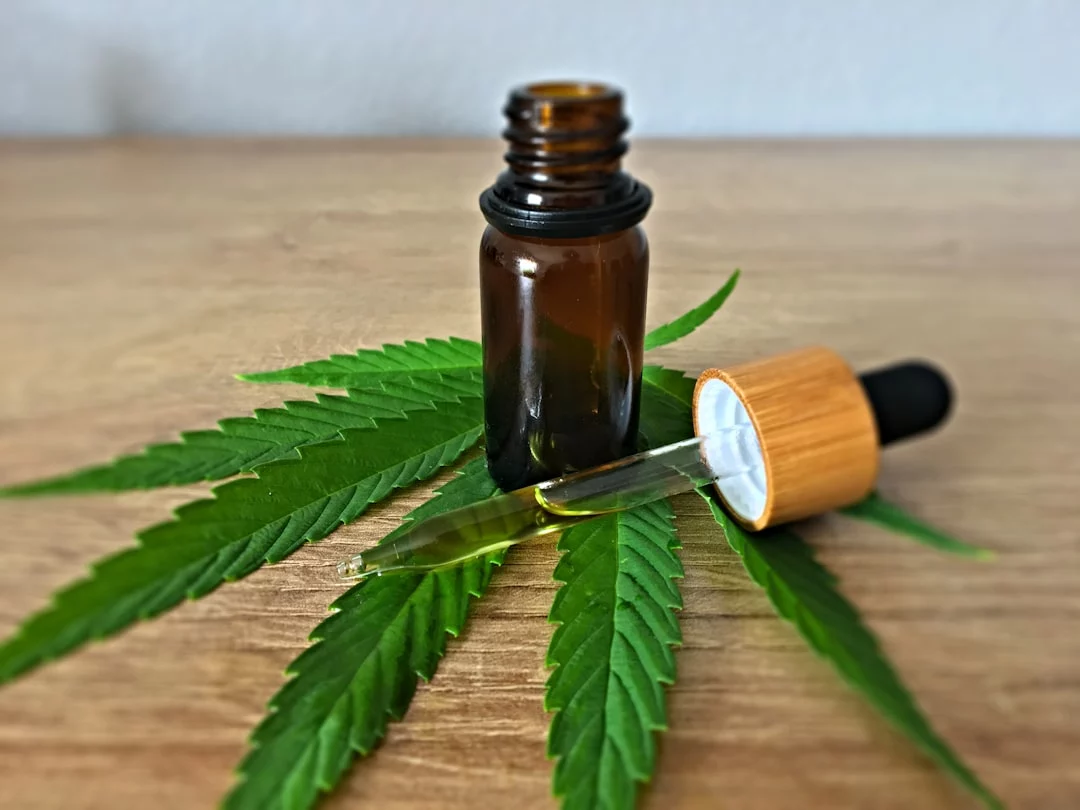
Is CBD oil legal in Switzerland in 2026? CBD oils are a major point of attention in Switzerland because their classification can vary depending on how they are presented and intended to be used. In Switzerland, CBD oils and sprays are frequently placed on the market as cosmetics or as chemical products, depending on presentation and use.
A major caution flagged by Swiss authorities is the practice of presenting CBD oils or sprays as “oral hygiene” products (for example, mouth sprays) in ways that may be seen as attempting to bypass rules that apply to foods. This approach is explicitly considered problematic, and it can raise both compliance and safety concerns.
What this means for buyers of CBD oil
When choosing an oil, it helps to check how it is sold (category and intended use), whether THC is within the Swiss legal threshold, and whether the labeling avoids medical claims. If you are exploring options, you can browse a range of CBD oils in Switzerland (THC ≤ 1%) and compare concentrations and product types while keeping category and labeling in mind.
CBD in food Switzerland: novel food and FSVO authorization
CBD in food Switzerland novel food FSVO is one of the most sensitive areas. In Switzerland, hemp extracts and cannabinoids (including CBD) cannot be freely added to foods. Depending on the product and its composition, an authorization may be required before it can be placed on the market—often discussed under the concept of “novel food” (new type of food).
This is why broad statements like “CBD is allowed in all foods in Switzerland” are misleading. The correct approach is product-by-product: the regulatory status depends on composition and the applicable authorization pathway.
CBD supplements Switzerland allowed?
People also search for CBD supplements Switzerland allowed. As with foods, the key point is that cannabinoids and hemp extracts are not automatically permitted for free use in ingestible products. An authorization may be required before sale, depending on the specific product. Because the rules are strict and product-dependent, consumers should be cautious with ingestible CBD products and rely on clear, compliant product information rather than assumptions.
CBD cosmetics Switzerland rules (and what claims are forbidden)
CBD cosmetics Switzerland rules focus on safety and truthful presentation. A cosmetic must be safe and must not promote a therapeutic effect. This is especially important for marketing language: even if a product is applied to the skin, claims that imply a medical purpose can make the product non-compliant.
Swiss authorities also highlight particular concerns about “oral” products presented as cosmetics (such as oils or sprays positioned as oral hygiene). This is seen as a potential attempt to circumvent food rules and is explicitly flagged as problematic.
Examples of cosmetic claim pitfalls (general guidance)
In Switzerland, it’s safer for CBD cosmetics to stick to cosmetic-type descriptions (texture, scent, skincare routine compatibility) rather than implying medical outcomes. The key compliance principle is: no therapeutic positioning.
CBD e-liquids Switzerland regulation: THC is not the only issue
CBD e-liquids Switzerland regulation is another area where THC compliance alone is not enough. Even if an e-liquid stays below the Switzerland CBD THC limit 1%, the product still needs to meet the requirements of the category under which it is sold (for example, rules applicable to e-cigarettes or related products, or another relevant category).
Because operational details can vary with enforcement and interpretation, it’s best to avoid overly specific assumptions about notification or labeling steps unless you have up-to-date, category-specific guidance. The safe takeaway is: category, safety requirements, and labeling matter as much as THC.
Controls and enforcement in Switzerland: what is checked
In Switzerland, cantonal authorities carry out controls (including spot checks), notably for cosmetics. Compliance checks can focus on:
- Safety of the product
- Labeling and presentation
- Absence of unauthorized therapeutic claims
This is another reason why “marketing” is not just branding—it can determine whether a product is considered compliant.
Safety and responsible use: regulatory cautions to know
Swiss authorities have raised safety concerns around CBD products, including the possibility of adverse effects on the liver and the difficulty of controlling dose with concentrated oils. These points are best understood as regulatory and consumer safety cautions—not as a statement that CBD is inherently unsafe, and not as a promise of any benefit.
For consumers, a cautious approach includes choosing clearly labeled products, avoiding excessive or unclear dosing practices, and being especially careful with concentrated formats where it may be harder to gauge intake.
Import and travel: Switzerland rules may not match other countries
Even if a CBD product is compliant in Switzerland (including THC below 1%), rules can differ abroad, and crossing borders can create a risk of non-compliance. Because thresholds and classifications may be stricter elsewhere, it’s prudent to check the destination country’s rules before traveling with CBD products.
How to evaluate a CBD product’s legality in Switzerland (2026 checklist)
If you want a practical way to think about is CBD legal in Switzerland 2026, use this checklist:
- THC threshold: total THC must be below 1.0% to avoid narcotics classification.
- Category: is it sold as a cosmetic, food, tobacco-related product, chemical product, or medicinal product?
- Intended use: does the presentation match the category (for example, not implying ingestion if it is not a food)?
- Claims: are there any medical or therapeutic claims that could trigger Swissmedic medicinal classification?
- Labeling and safety: does the product provide clear, compliant information?
When in doubt, the safest assumption is that THC compliance is necessary but not sufficient—and that avoiding medical positioning is essential.
What is the legal THC limit for CBD in Switzerland in 2026?
In Switzerland, cannabis and cannabis preparations with a total THC content below 1.0% are not considered narcotics. From 1.0% total THC and above, the product falls under narcotics legislation. THC compliance is a baseline requirement, but the product’s category (food, cosmetic, tobacco-related, chemical, or medicinal) still determines whether it can be legally marketed.
Are CBD flowers legal in Switzerland in 2026?
CBD flowers may be compliant if total THC stays below 1.0%, but legality also depends on how they are placed on the market and classified. They are often marketed as products intended to be smoked or tobacco-like substitutes, which can trigger specific obligations (including potential restrictions related to sales to minors for products covered by tobacco-related rules).
Is CBD oil legal in Switzerland, and why is it sometimes controversial?
CBD oil can be marketed in Switzerland depending on its classification and presentation (often as a cosmetic or chemical product). A key caution is that oils or sprays presented as “oral hygiene” products have been explicitly flagged as problematic by Swiss authorities because this can be seen as an attempt to bypass food rules and may raise safety and compliance concerns.
Can CBD be sold in foods or as dietary supplements in Switzerland?
Hemp extracts and cannabinoids such as CBD cannot be freely added to foods in Switzerland. Depending on the product and its composition, an authorization may be required before it can be placed on the market (often discussed under “novel food”). The status is product-specific, so broad claims that CBD is automatically allowed in foods or supplements should be avoided.
When does a CBD product require Swissmedic authorization?
If a ready-to-use CBD product is intended for medical use, it is considered a medicinal product and must be authorized by Swissmedic to be placed on the market. Making medical or therapeutic claims can also lead to reclassification as a medicine, which would be non-compliant without authorization.
If you’re comparing formats, it can help to start with clearly positioned products and transparent labeling. For example, exploring a curated selection of full spectrum and broad spectrum CBD oils made in Switzerland can give you a sense of how reputable sellers communicate THC compliance (≤ 1%) and product positioning without crossing into medical claims.